
20th to 26th of June 2022
Hello, my dear friends! There we are off again to Loch Aline in Scotland where we will load sand for Ellesmere port. We have fresh food onboard, and fresh water and all is well, except for the watches that are a bit messed up because of the departures and arrivals. As you know, the captain is manoeuvring for departures and arrivals, but also for the locks of course and for the main part in rivers and channels when the pilots are onboard. This makes it a little bit like a « 10 on and 2 off » schedule for him and the rest of the crew is just doubling up some of the hours for the mooring operations and disembarking of the pilots etc.
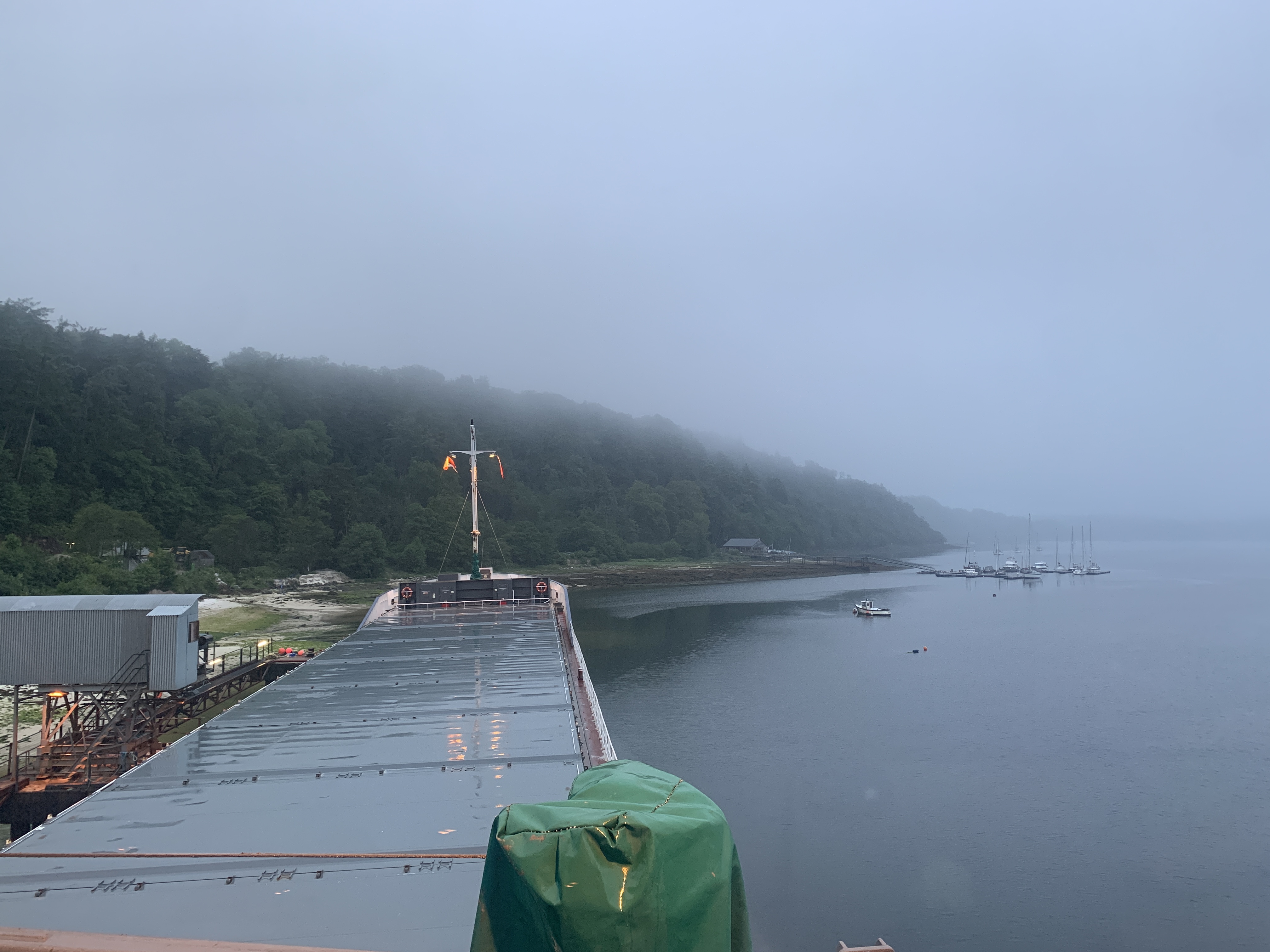


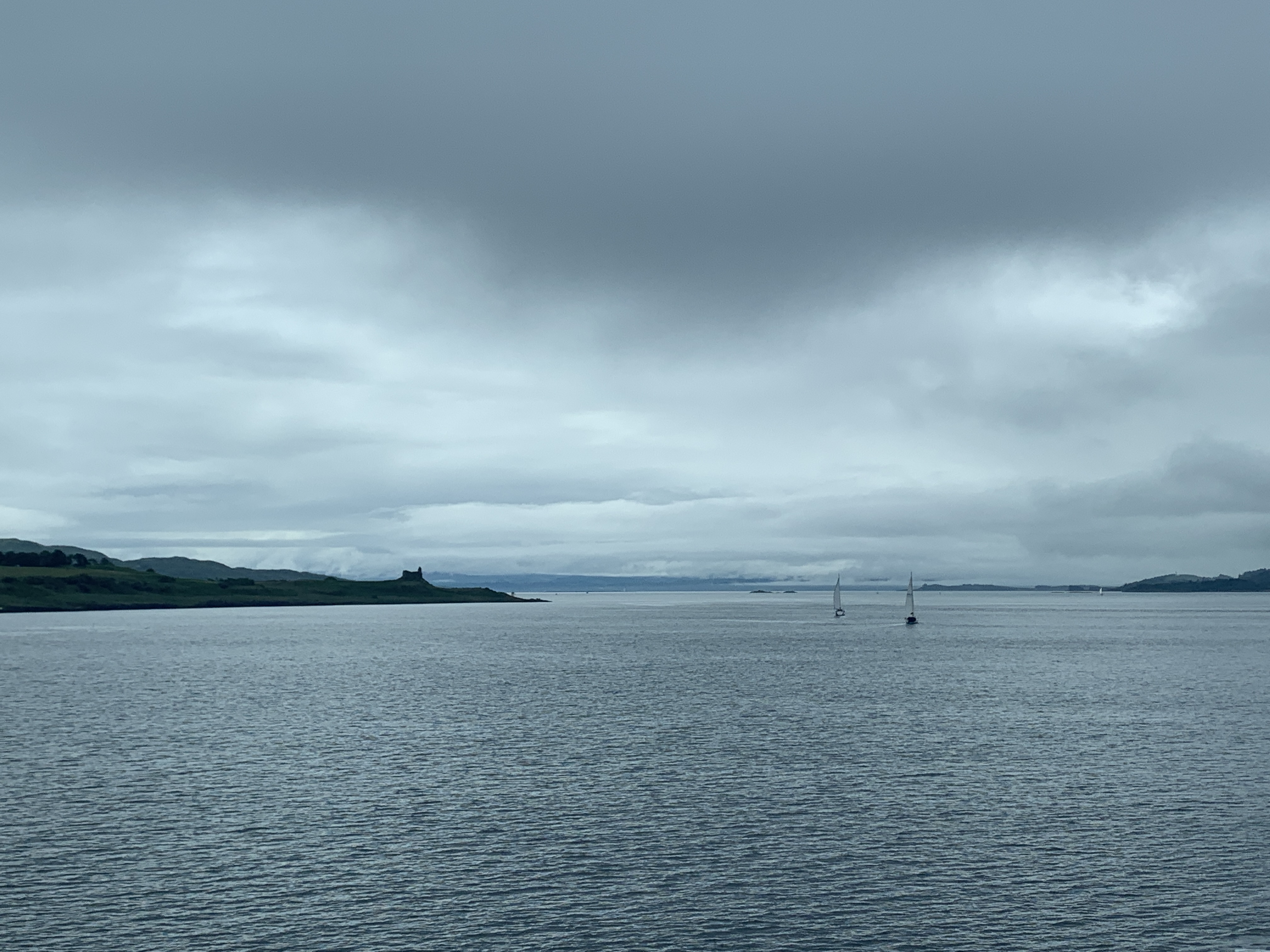
This is the ship’s life of course, so we do not complain, it is part of the deal, but I was wondering how we would manage if we had to do these voyages constantly. I think we would probably have to swap around a few watches and maybe do 6 on 6 off with a « flying captain » taking over whenever necessary…. as it is also according to the tides, we would schedule our watches according to the high waters in Liverpool bay and in Loch Aline right? that would be funny too…. But for sure I think the voyage between the two places would never be boring as the views in Scotland are amazing. If you have never been there or sailed there I would highly recommend it!
This time in Loch Aline, it went faster because we had a little less to load, but we still had to move around the vessel of course as their conveyor was a fixed one. As we were loading less and starting earlier, we had to make sure that when we would shift forward, there would still be enough water under the bow. Indeed, because it was earlier in the tide table when shifting, there would be less water, and maybe we would have to wait half an hour or so to not beach. Captain H. went to check the drafts and the local water height before shifting to make sure there would not be any problem; and of course, there were no issues there. It was not even 8 in the morning and we knew we would be out by lunchtime. Crazy when you imagine that it seemed that we had just arrived a few hours earlier! Imagine that some vessels have a fixed contract with chartering and sail only from one harbour to another or only three different harbours and that it is also some kind of 6 hours shifts. I think I would find it quite tiring. Nice to do a few times but not all year long I guess…. I do not know. Also, I have not really tried for so long so I would not be able to say. Maybe it would also make me happy because you get into a different routine, and I like routines! 😉


Anyways. Off we were to Ellesmere, and Captain H. stayed with me on the bridge till we had passed the Great race once again. This time we passed it at full speed at 18knots! We were literally flying! We had quite a nice sail to the UK and dropped anchor just at the entrance of the river to Liverpool and further up Ellesmere. We had to wait for a vessel that was still on our berth… and then depending on the tide, we would heave up anchor and head towards the pilot station that was not so far away and more alongside in Ellesmere. That did not take long: 12 hours later we were heaving up the anchor in the early morning and after lunch, the ship was ready for discharge.

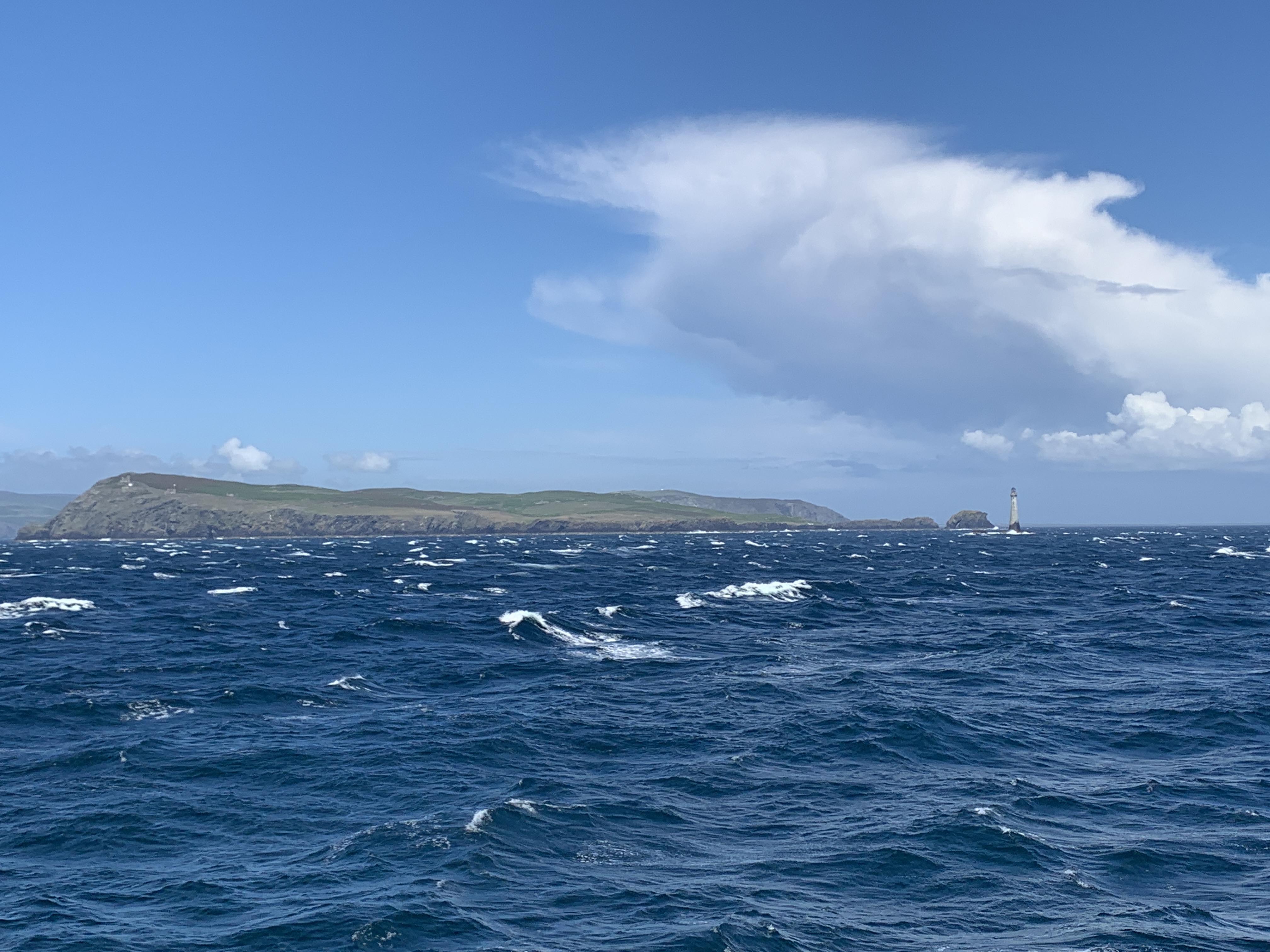
Here again, it would not take long before we would sail out again.
These past weeks were the perfect example of the hop on hop off that some vessels can experience.
Ellesmere was a funny place. It was a quay in a narrow channel; three vessels could be alongside at the same time and it seemed that various cargoes would be discharged there: this was quite clear because various grabs for cranes were nicely organized, but also there would be traces of previous cargoes on the quay. I was wondering where; or more precisely in what they would discharge our sand. Well, for your information, when the garb came to the ship, he just discharges it there; there being just on the quay. There would probably be another grab or bobcat to fill in trucks later or to bring it somewhere else? It was sand so not a sensitive cargo for rain.


The vessel was totally discharged by the early night and we had to wait the next morning for the pilot to come on board and for the tide – of course- to sail out….. to Rayness Jetty.
Do you know where Rayness Jetty is? Well literally so close to the anchorage area… Okay, I guess you are right, it is still a couple of miles further. We dropped anchor once again southwest of the windmills and we were going to load directly in the evening that day. Luckily there were no more pilots involved; that was a good thing.
Pilots are nice, do not get me wrong, but sometimes it feels as if we are constantly waiting on them. This time we could proceed directly to the jetty and then to our next destination.

All this seemed easy right. Well… the story does not end exactly this way. We got a call from our agent that the vessel ahead of us; the one currently loading had some Main engine trouble they had to fix before departure. This is life in shipping… you plan some times and some dates but you need to keep in mind that there are external factors that can pop around at the least expected time. It is not a problem for us. We are usually quite flexible and we replan accordingly. I mean we also do not always have a choice right?
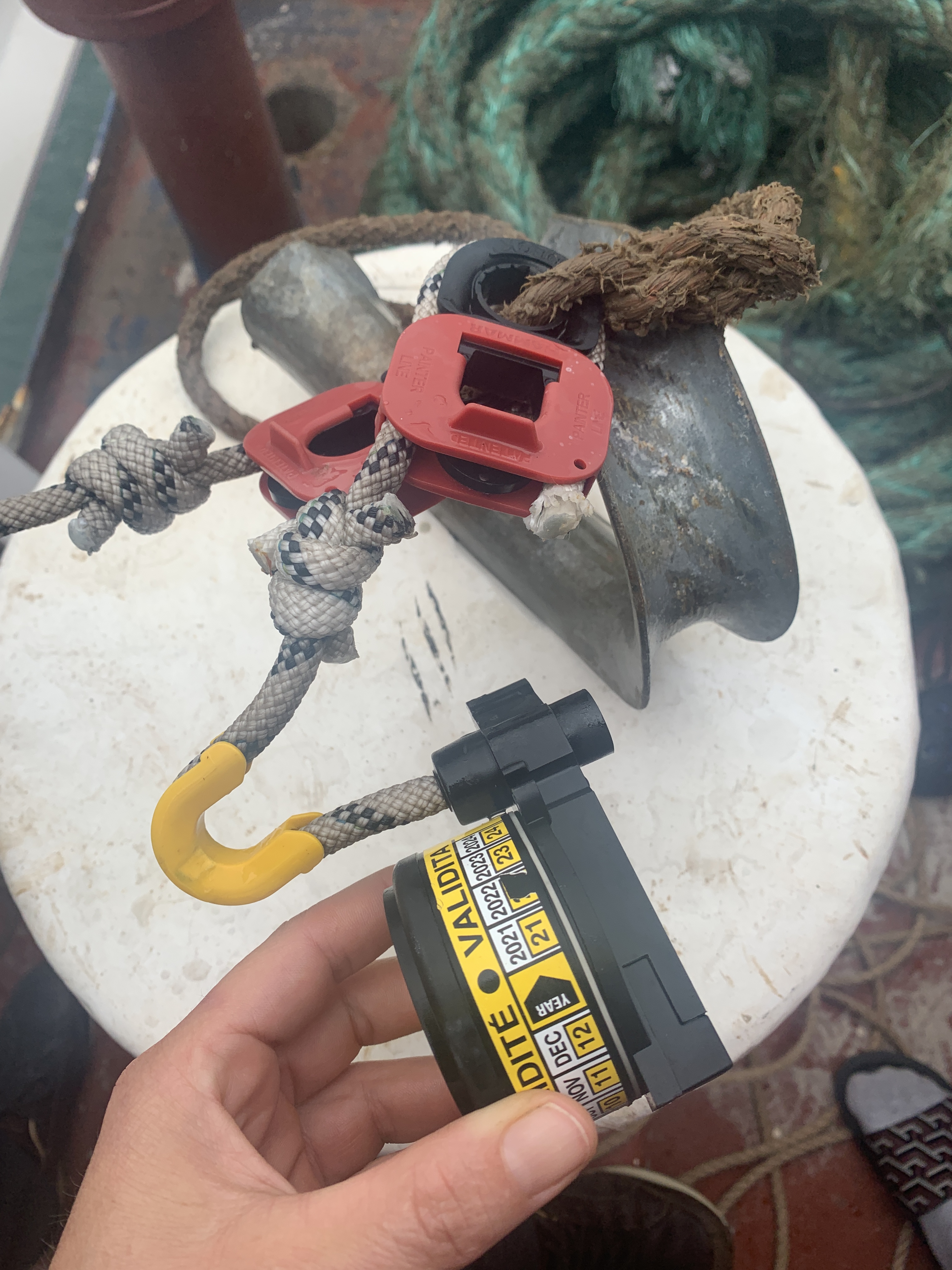
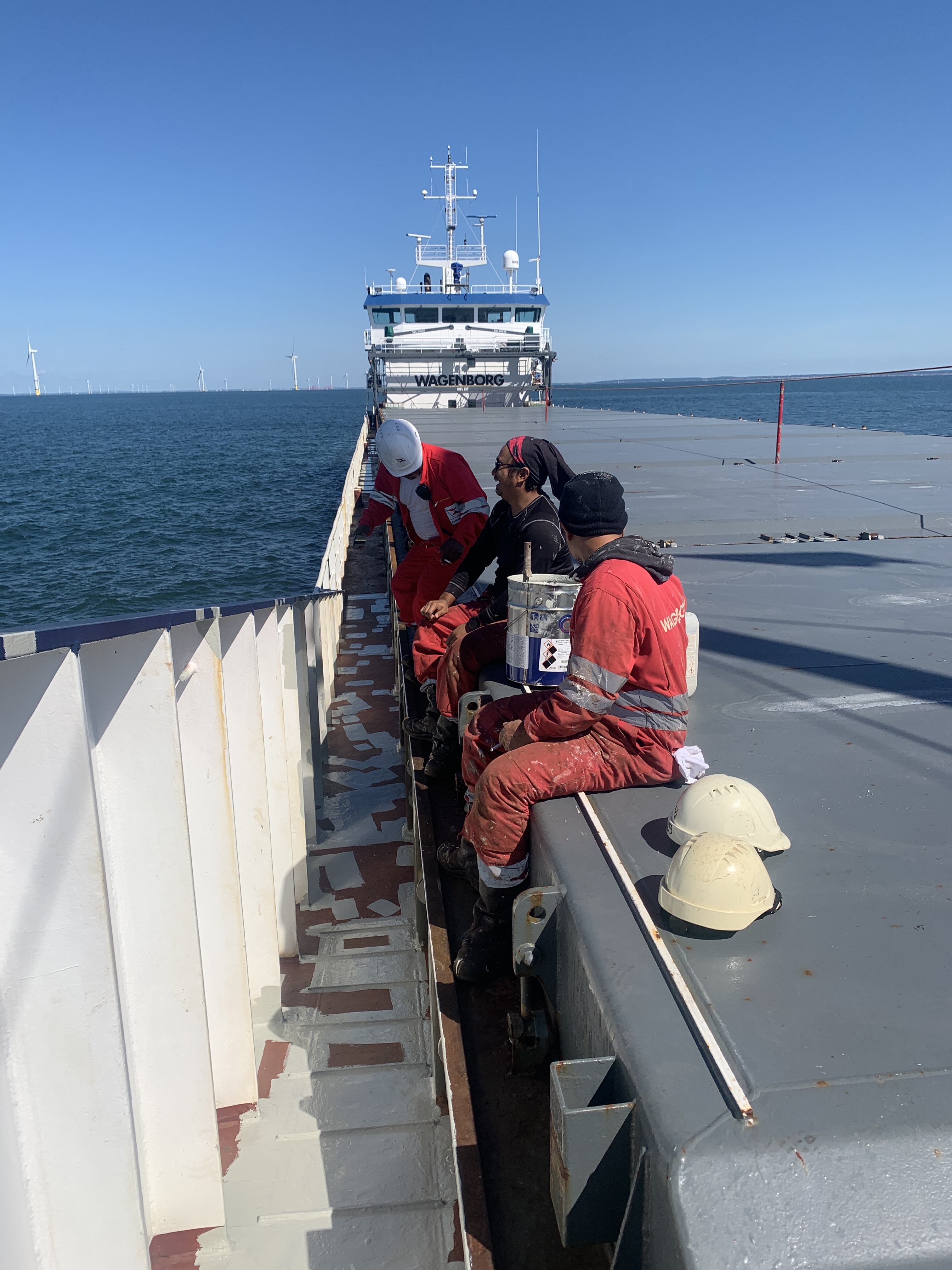
So there we were another night at anchor and in the early morning headed towards the jetty. Rayness Jetty is an interesting place to load. Not for the type of cargo ( it is limestone) not for the scenery (it is just the coast and there is not much to see from the jetty really; although the coast does look very nice and I would really not mind going for a hike there!). What is interesting is the loading operation part: it is very shallow which means that you need to manage the entire loading operation before the tide drops again. And the second interesting fact is that they load the 3500t of stones in approximately 4 hours…. Yep. Over 800 tons an hour yes! When we are in ballast condition; it takes us approximately that time to deballast…. You can see we really need to be fast!
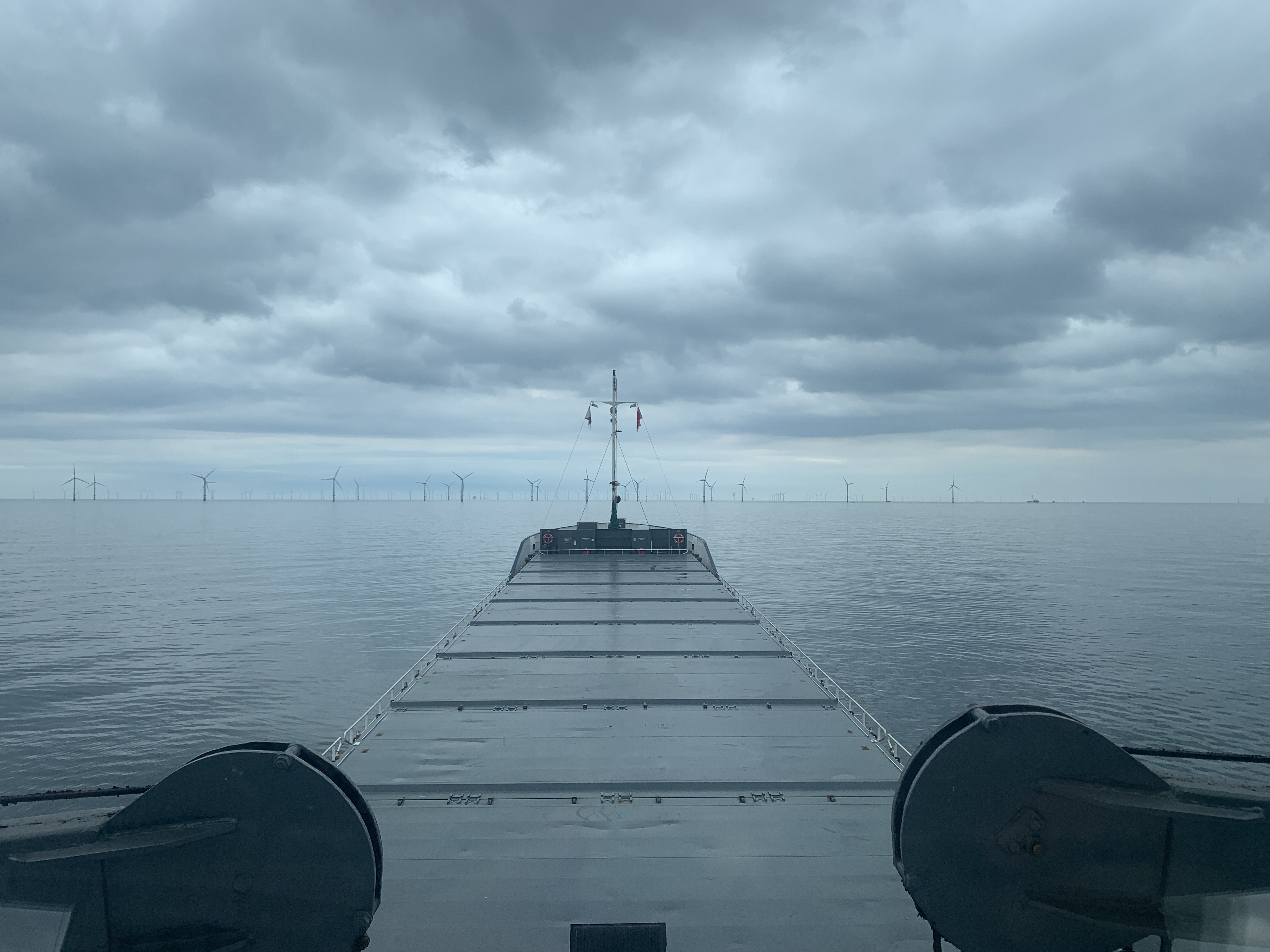
Once the loading was done we quickly left the quay to not have any trouble running aground. And finally, we were off to our next sailing days… it was a few days sailing towards our next port of call and we would pass through the channel and through the Kiel channel too. Hopefully, the times through the locks and tides will be kind to our watch system this time. Anyways! See you next week!
xxx
Sophietje
 S O P H I E. T H E. S A I L O R.