2nd Term – Week 7. 🚢 ⚓️ ⭐️

This week, I got older. Yes indeed, Monday I had another birthday 🥳 on a ship. Soon I will be able to count more birthdays at sea than at home! No… probably not just yet. What I like about birthdays at sea is that the cook usually always makes a birthday cake 🎂! Well, I also know that the captain usually goes to the cook after a meal to tell him my birthday is coming up and that it would be nice if he made a cake for me… haha! I do not mind!

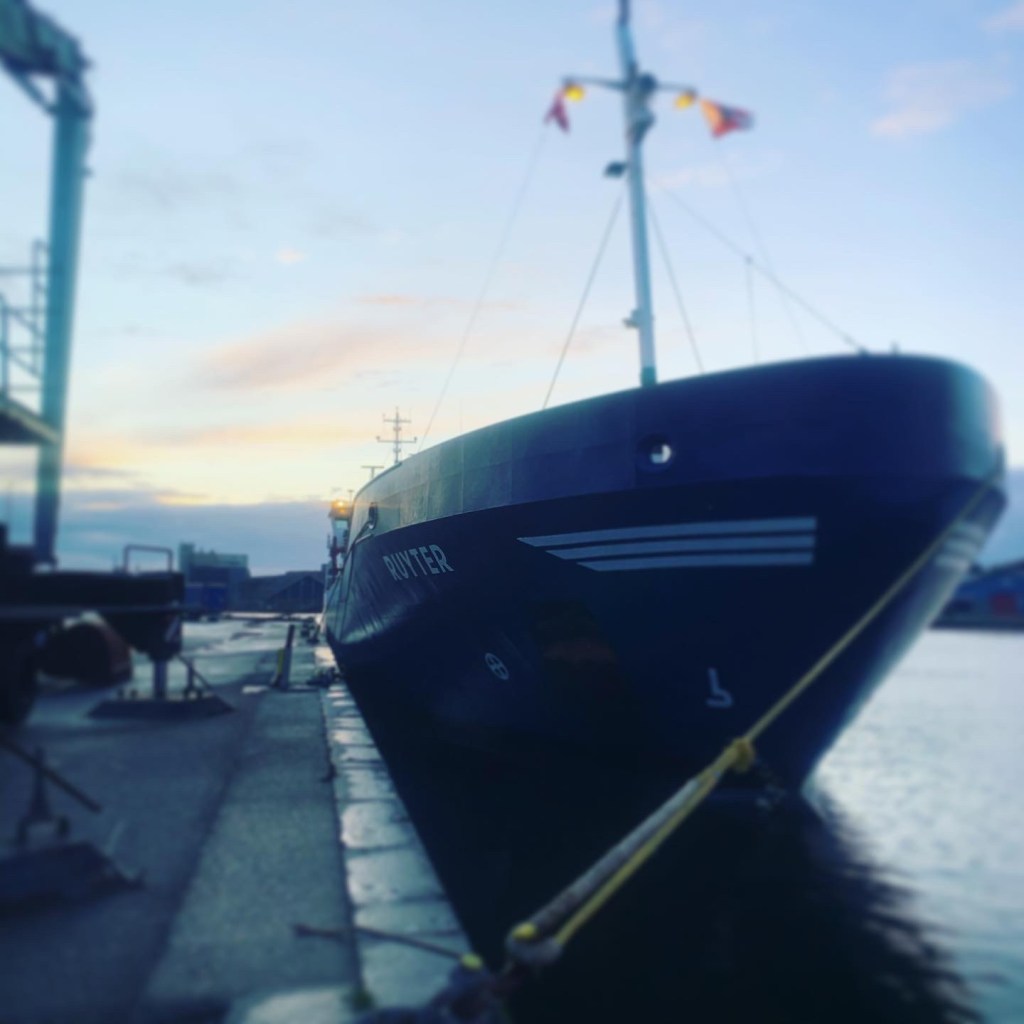
Ruyter moored in Kotka, Finland

This time it is funny because Captain told him last Saturday ( I overheard him 😉 ) and he made a cake for the following day! But the captain said: “no! Her birthday is on Monday!” So he put it back in the fridge. The funny part is that Sunday he showed it to me in the fridge: “chief chief! Come and see”… but I quickly closed my eyes saying it was a surprise and that I would wait Monday to see it and blow candles … But of course, ship happens, Monday we were in the harbour in Kotka ( Finland 🇫🇮) and it was a very busy day…. I wanted to blow candles together with everybody, and due to cargo operations we were never at the same time in the crew mess, so we waited the following day at dinner time! 🍰

The 19th is my Birthday! And I love cake 🙂

There is always a good reason to have cake onboard, but a birthday is always a special day. This time cookie was telling the captain that he didn’t know how to bake a cake, that he was a cook and not a baker. I am fine with any cake. People who know me…. Well “know”. Even if you don’t, you can just see it on my body, right? ;p #sweettooth

Kotka. Loading fertilizer. The same place and same fertilizer we loaded last year (beginning of November 2019). The last trip of my internship as the sailing was suddenly interrupted in the second locks in the Kiel Channel with a sudden engine explosion 💥…. We were all keeping our fingers crossed that this year our navigation to Delfzijl would be without any trouble 🤞🏻.

Ruyter entering the Kiel Channel locks in Holteneau

The fertilizer we load here in Kotka is UREA. Last year I had a bit of an allergy to it… They say it is not harmful but sometimes I doubt it… the next morning my face was all puffy. Luckily this year only my eyelids were, so I was still recognisable by my colleagues!
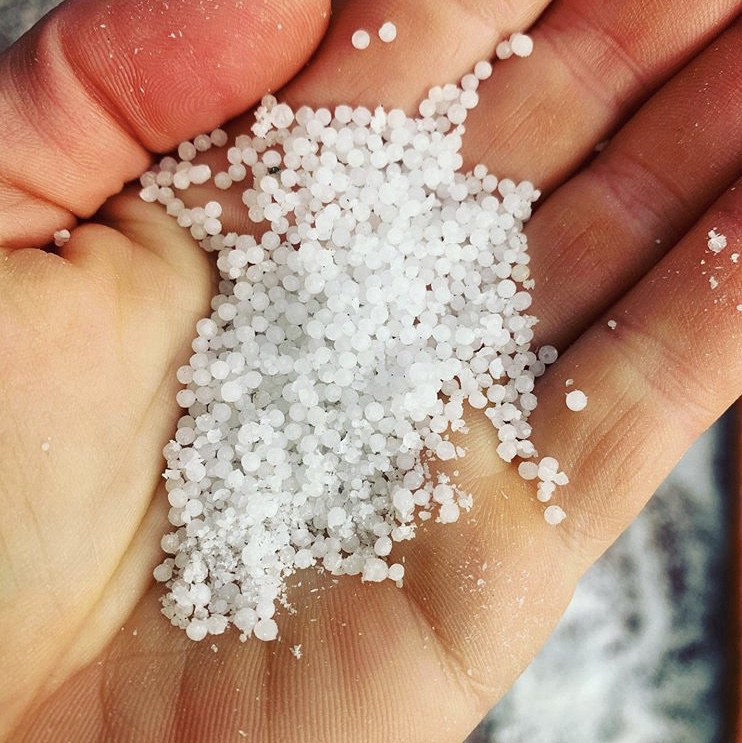
Urea Fertilizer

Sailing to Delfzijl 🇳🇱 is interesting. Not the navigation part, but the loading part… The vessel needs to be even keel as she goes through the very narrow sea locks upon arrival. 5,00m draught. Not more. This means that the loading needs to be very precise to be a few centimetres on the stern (we will burn fuel with a 4-day sailing and those tanks are situated on the aft part of the vessel). If we are not even keel, the chances are that we will get stuck somewhere in the locks. We also need to go in with high water, as at low tide there is not enough water (obviously 🧐). That is only a matter of time scheduling with the harbour master and pilot that needs to board the vessel for the inshore channel part.

Passing through the bridge in the inshore channels of Delfzijl

To be even keel when the loading belt drops 700t/h fertilizer in your hold and when the chances of rain are high doesn’t make the task as easy as it seems. Urea cannot afford to be wet: one drop of drizzle, the hatches need to be closed immediately. Fertilizer melts and when it dries out and it hardens which makes it very difficult to get rid of. We will see how it goes next week with the cleaning of the hold! It also makes the rails of the coaming very slippery and it is therefore very important to keep a very close eye on the trim of the vessel while loading so that hatches can be closed at all times. Well, this time there was a thin layer of fertilizer on the coaming and while I was closing hatch 9, I couldn’t move forward anymore! 😰I felt a bit of pressure and thought to myself: “oh no! is this happening now as we only have 20 minutes of loading time left and rain is soon coming? “Really??”. Luckily the captain was also on deck at that moment and heard me struggle with the wheels of the crane. He put a bit of sand and tried pushing but it didn’t work (sometimes a small push helps) but nothing moved. We did not have a big trim but it was still too slippery.

Fertilizer being loaded at a speed of 700tone per hour

In the beginning, I thought: “ Could this be ice on the coaming?”. It was only 2°C outside but felt like -3°C. No, it was the very thin layer of Urea dust. In no time the engineer and captain took two strops and the chain block and the crane ended up moving very smoothly like if nothing had happened. I must say my heart was beating a bit faster as the pictures of damaged cargo – so close to the end- were popping up in my head…. Shush pictures! We win. The crane moves, we close hatches and the rain only comes later.

Kotka harbour

It was nice to be back at sea for a few days again 🌊. I like to get into a routine sometimes: when my Marad jobs are done and I am up to date, it is very satisfying to be able to relax on watch and do some maths ( yes yes, maths exercises… without calculator…) and to read 📚. I finally had time to finish a great book (“All the Light we cannot see”) that one of my favourite Danish bosun offered me 5 years back. Thank you Peter J.!
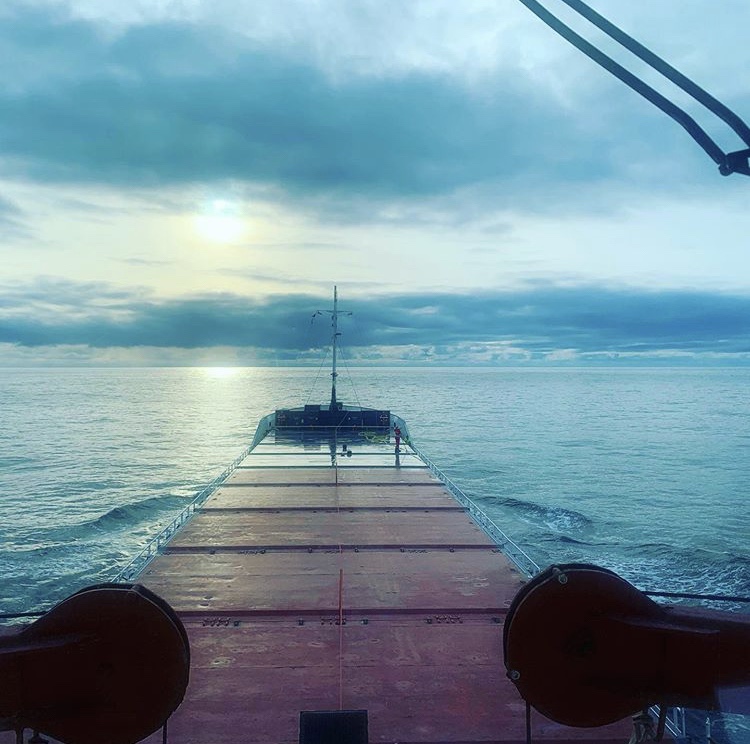
Underway with finally a bit of calm sailing in the Baltic

We sailed through the Kiel Channel – once again- at night – once again (I know the routine by now and expect a 6 hour night watch instead of the usual 4, but that is the sailor’s life, and I do not mind!) and arrived t the sea locks in Delfzijl at 3 am on Friday. There also was a long night. As the captain was having a way longer time in the bridge, I offered to come earlier so that he could have a short 2-3 hour sleep before the tricky part of the river, the narrow locks and the channel. I think it is nice, also as captain you need your rest! Besides, Saturday afternoon and Sunday were then off as the discharging will only start on Monday morning. I would have time to catch up on some rest and do something else later! 🙂

Chief officer ready to moor in Delfzijl!

A Saturday afternoon filled with 2x 5km walk (back and forth to the city centre) and a small stop in a second-hand store where I found 7 chick books in Dutch… yes! To practice my dutch! And a few ingredients to teach cookie how to bake a carrot cake 🥕- better than the one from Starbucks!- my favourite cake. The agreement is that he would then teach me how to make sambal 🌶 and an Indonesian speciality ( also a cake… sweet tooth remember? 😉 )

His vegetables are really growing in the galley. It is cool to see and it reminds me of our lupine garden in the Bridge in my previous term! 🌱

The cook’s small vegetable garden in the galley…

A calmer week as you can see, but good to charge those batteries for my next 2 weeks left!

See you next week! Xxx Sophie 😘 ♥️

2nd Term ~ Week 6. 🚢 ⚓️ ⭐️

Week 6 was an interesting one! Last week we were sailing out of Kolding 🇩🇰 to Kaliningrad 🇷🇺.

The narrow channel leading to Kaliningrad

I have been only once in Russia. Last year with this vessel. We had 10 days in the dry dock then loading the soja bean meal in the same place as where we are heading now ( Svetlyy). I was a bit nervous about all the documents and paperwork the Russians ask us to prepare. But apparently, as they have had a lot of trouble with shipping companies boycotting their harbour because of that, they have smoothened up procedures a little. They still need a lot of declarations from the vessel and still do face-checks upon arrival… 👮 and ask you very seriously: “Sophie?” Looking at the picture on your seaman’s book with a doubting eye…. “Yes…. That is me…?!”. Probably my picture doesn’t look like me: Pretty Sophie with combed hair and a little make-up vs Sleepy Sophie just after a long night watch and called out of bed by the captain in the middle of her long sleep…

Chief officer ready for mooring operations on the foredeck, arriving in Svetlyy, Kaliningrad (Russia)

This time, no dogs, just the agent and one immigration officer. It went surprisingly fast and smooth.

Beautiful sunset, Ruyter Alongside in Svetlyy (Kaliningrad)

With Russian, you often need to do a draft survey before you start loading. A draft survey is basically taking the fore and aft drafts 🚢 , the middle drafts (portside and starboard side) and the water density💧. You will need to know exactly how much ballast you have in and also the density of the water that is in your ballast tanks ( for the same volume, freshwater is lighter than saltwater). You date the data before loading and after loading which will enable you -after a few calculations- to calculate the exact amount of cargo we carry in the hold. This amount should of course be the same (or as close as possible) to the shore scale; and will be written on the Bill of Lading 📝 signed by the captain. Pre and post-loading surveys are done with an external surveyor (usually belonging to the loading party) and are calculated on both sides. When there is a big difference this is when a discussion starts… Basically, a couple of tons difference is nothing but if you have 20 or 50 then… or there is a wrong figure with a ballast tank that we think is full for example and is not in reality, or it is simply that the cargo is not in the hold… despite what the shore scale says. You can double-check by retaking the drafts, and comparing them to the stability calculation program for example. But “drafts never lie”, as would tell me, Captain H.

Almost finished loading the Soja Bean Meal in Svetlyy ( Kaliningrad)

Kaliningrad started very smoothly: loading speed 150 tons/ hour which is quite slow. In case of good weather, it is great because we can just open up the hatches and follow the loading process while doing maintenance on deck for example or preparing voyage plannings 🛠 etc. There is more time for emptying the ballast tanks and for drinking coffee ;-). We had nice weather and as our next port of call would be Uusikaupunki in Finland and we were expecting strong northerly winds, I was afraid being on deck wouldn’t be so nice. So I decided to anticipate a little the deck maintenance and to be ahead of schedule. 12°C with no wind is always nicer than 0°C in wind. Besides with a slow loading process, it is less stressful and you can easily keep an eye doing small jobs on deck and be fully available by the end when it is more critical.

Soja Bean Meal looks just like cruesli and the taste isn’t so far either!

This time, the shore scale was wrong for over 50tons…. Which made us miss the convoy to exit Kaliningrad the night after completion. We shifted berth late that evening and departed the next morning just before lunchtime, after the visit of our friendly immigration officers 👮‍♂️ . Upon departure, they came in three: one was face-checking and stamping seaman’s books; the other two were… doing nothing, just standing there probably to impress us. But we are not. We laugh discreetly 🤭

The disadvantage of leaving Russia 12 hours later was that we headed into strong northerly winds💨: a good 7 But directly in the nose which didn’t make the voyage so nice ( but could be worse with wind on the beam, or stern which can make us rolling sometimes depending on the swell). This time we had short high waves till we reached the Bothnia Sea.

There were quite some impressive waves 🌊 smashing on the foredeck. Of course, even with my phone close by it is always difficult to catch a good impressive picture: it is known that the biggest wave will always come the moment you put the camera down and it is too late to take another shot, right?

Strong winds against in the Baltic Sea

I always have in mind that Finland 🇫🇮 has mountains. I haven’t been many times here but I am always surprised by the thousands of little islands all around: soft round rocks ( probably used by rough winters…) and lots of trees. I find it beautiful and I am always hoping I will have the chance to go ashore and have a nice long walk to explore further. I do not think small harbours such as Uusikaupunki have a lot to offer. I think by 22:00(LT) everything should be closed. Unlike the other Scandinavian harbours, they work all day long (07:00 till 23:30 LT). It makes again a long day for me, but I do not mind: this is the fun part of my job: the cargo operations! Especially when it goes smoothly and if the weather is great: a big blue sky, a big sunny day, fresh temperatures (8°C during the day, 2°C at night) but not “ cold”. Remember temperature is just a piece of information: you can (and should!) train your body to cold temperatures without having too many layers on 🥶 ! There is no need to always put on the heating…. That is a funny point: our deckhands are Indonesian and our engineer from Bonaire….. well trust me, when walking around the accommodation and different workspaces you also walk through the different Earth climates! Haha

Ruyter alongside in Uusikaupunki, Finland

Discharging went as planned and very smoothly. We then started cleaning the cargo and had to move a bit the bulkheads to clean the cargo that was spilt behind (leakage in the timber installed in the aft hold entrance). Such things happen sometimes but it makes the bulkheads difficult to move and it takes longer to prepare from the cleaning and sweeping ( see my previous post for the sweeping! 😉 ). And then off we went to Kotka. Good winds in our favour this time and Sunday at anchor! We will be expecting in harbour Monday 19th! My BIRTHDAY! 🎉 🎉 🎉 depending on the weather forecast!

Ready to start discharging the Soja Bean Meal in Uusikaupunki

We shall see! Till then…

Porthole view 🌊

See you next week! Xxx Sophie 😘 ♥️

PS: The nice thing with sailing more north and heading into colder days is that the water gets also colder and therefore my showers too! It is over one year now that I take daily cold showers and that my warm showers become more and more seldom! I am almost addicted to it. Followed with a nice black coffee, it is the perfect start of the day! Have you tried?

Cookie’s garden is slowly growing

Cookie’s vegetables a growing slowly! 🌱 🌱

2nd Term ~ Week 5. 🚢 ⚓️ ⭐️

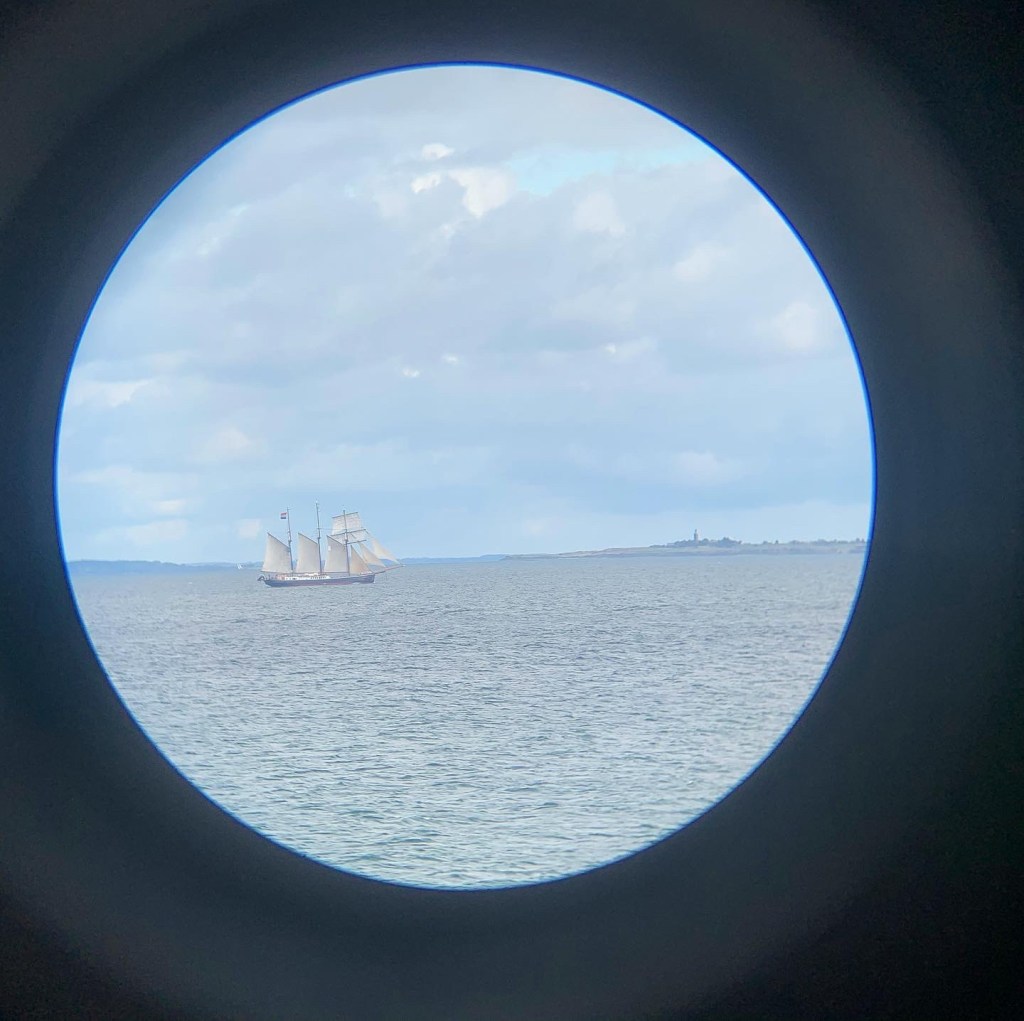
This week went extremely fast, once again. Last week we left The Netherlands 🇳🇱 for Denmark 🇩🇰 . Another passage through the Kiel channel and up North towards Kolding. The weather was this time nicer so we arrived fast in our next port of call. The Kiel channel was also smooth this time: entering before midnight and exiting around 8 am which made a good night sleep for the captain…. But less for me actually because I came before the locks when the pilot came on board near Brunsbüttel and till Pilot Change at kilometre 55 of the channel. And we had to wait for ages in the big northern lock for another tiny vessel to come in. So a bit less sleep but again, that is the way it is! 😊 Besides, entering the Little Belt in Denmark I had a great surprise with beautiful tall ships sailing ⛵️ . What a nice view! One of them was Hendrika Barthelds. She belongs to one of my previous captains. Nice to see that some are still sailing and looking good.

Hendrika Barthelds through my binoculars

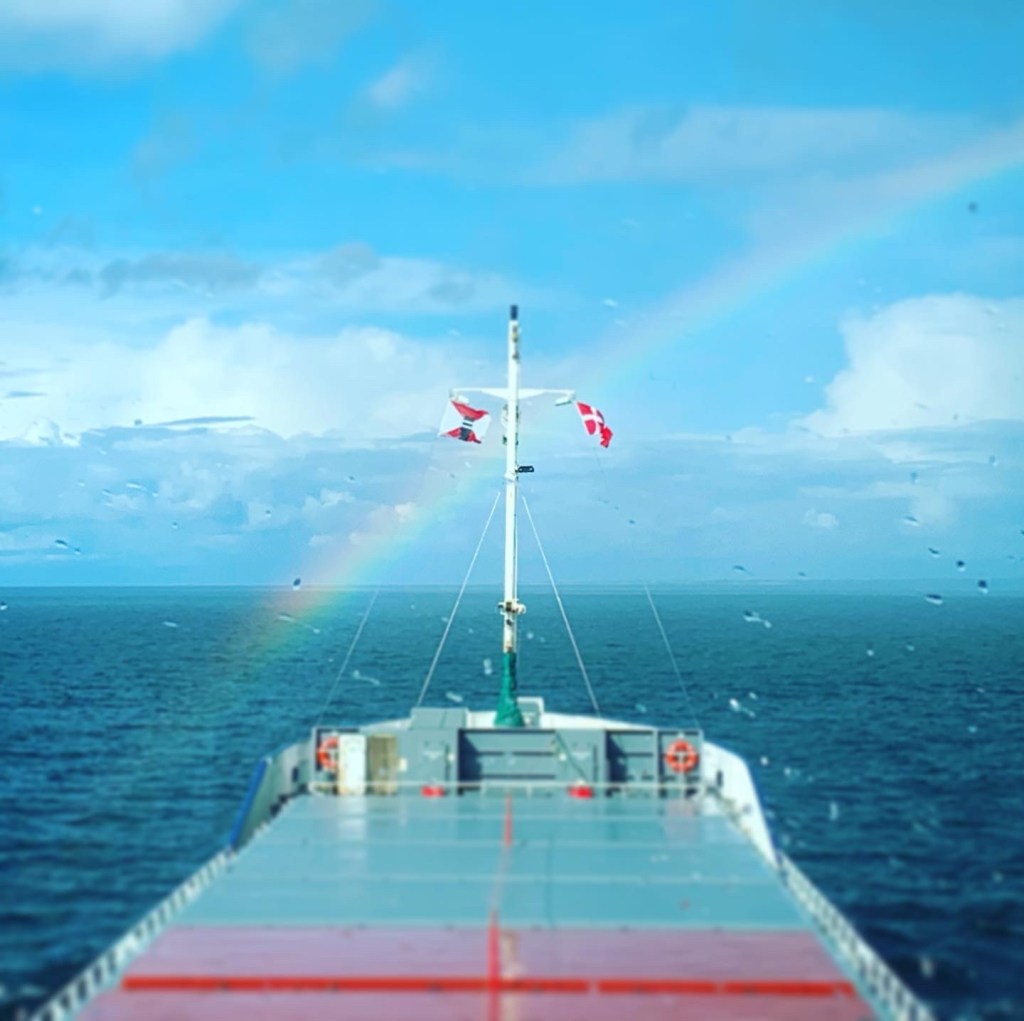
It was then strange weather: big blue sunny sky then suddenly big rain shower 🌧. I was pretty glad I was inside a bridge… two years ago I could have been standing watch outside or helming in the fresh breeze and rain. Some would call that “wet, cold and miserable” 😩 . I guess when it doesn’t happen that often it just toughens you up 💪🏻 and doesn’t make you as miserable as your brains would let you believe…. Another good thing is the number of big rainbows 🌈 that we were so lucky to admire with these rain-sun intervals. It seemed we were heading straight towards the pot of gold in Kolding 😂 .

Rainbows underway to Kolding

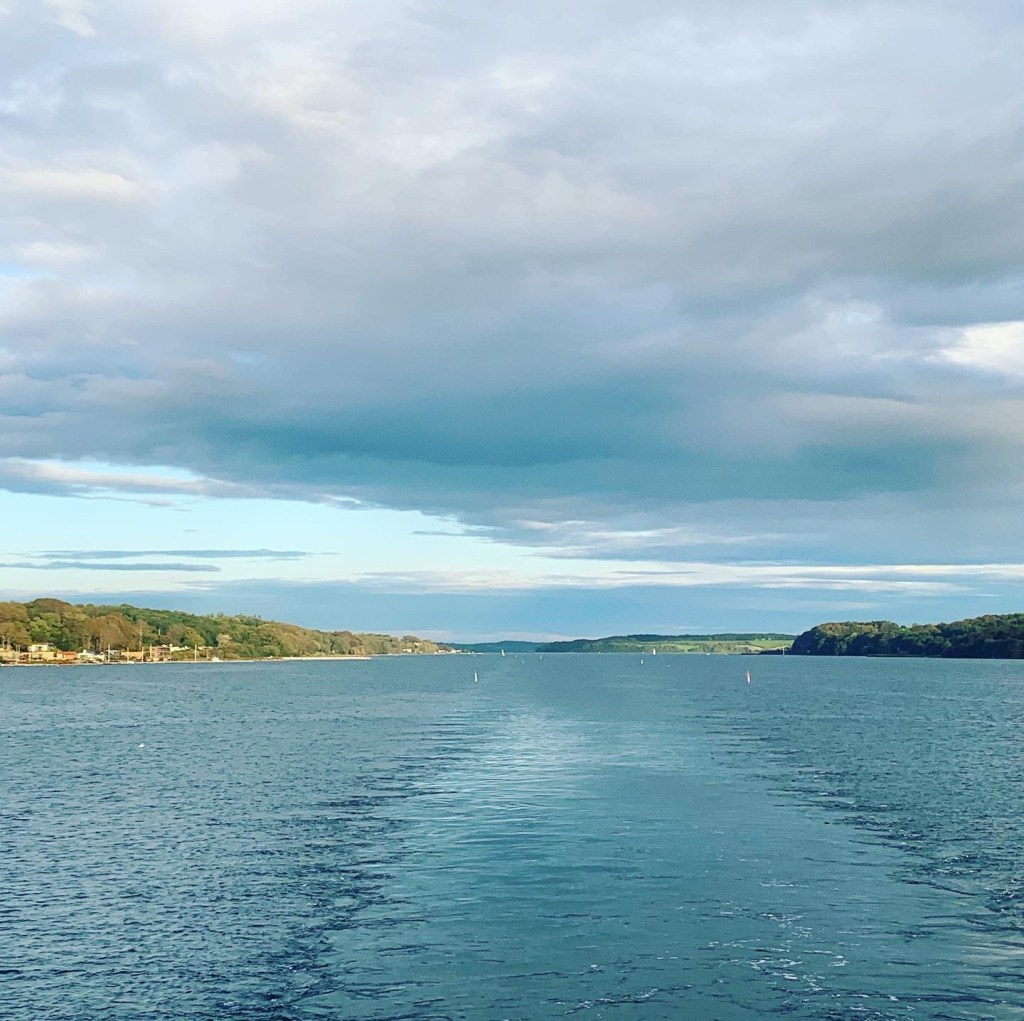
The entrance of Kolding is a very narrow channel with not much depth out of it. Actually not at all. We would for sure run aground directly if we sailed out of it. The buoys are also not so big in Danish waters. They are also not lit; so you pretty much have to pay attention to navigation … 🙄 But Danish fjords are really lovely. As nice as the Mariager fjord we sailed into a couple of weeks ago.

The narrow fjord heading to Kolding
On the quay after checking the drafts in Kolding

No swimming this time, probably because the cold water swimming Captain left in this port to go home and our new captain is much more a running fanatic than a swimmer. Or maybe just not a fan of cold water swimming… 🥶 So we just carried on with discharging the fertilizer: the first day only 1:30… then it was raining the whole day. And the next day we did a bit of overtime to be able to complete asap. Their forecast was for us to remain the whole weekend in Kolding and finish the last couple of hundred tons on Monday morning… Well for sure we do not really like that as our next order is waiting for us in Russia. So we did over time and completed really fast on Friday end afternoon.

Early rise for the chief officer: opening hatches and starting up the day

It is strange. Danish working times are like in some Swedish harbours: start at 07:00 and stop at 15:30 with I do not know how many breaks in between. I really think they could be more efficient… But honestly, it also gives us a break if we have had heavy sailing and little sleep the previous days. And I like long sleeps and a walk ashore too! These will still have to wait a few days, till the next opportunity.

Ruyter moored in Kolding, Denmark

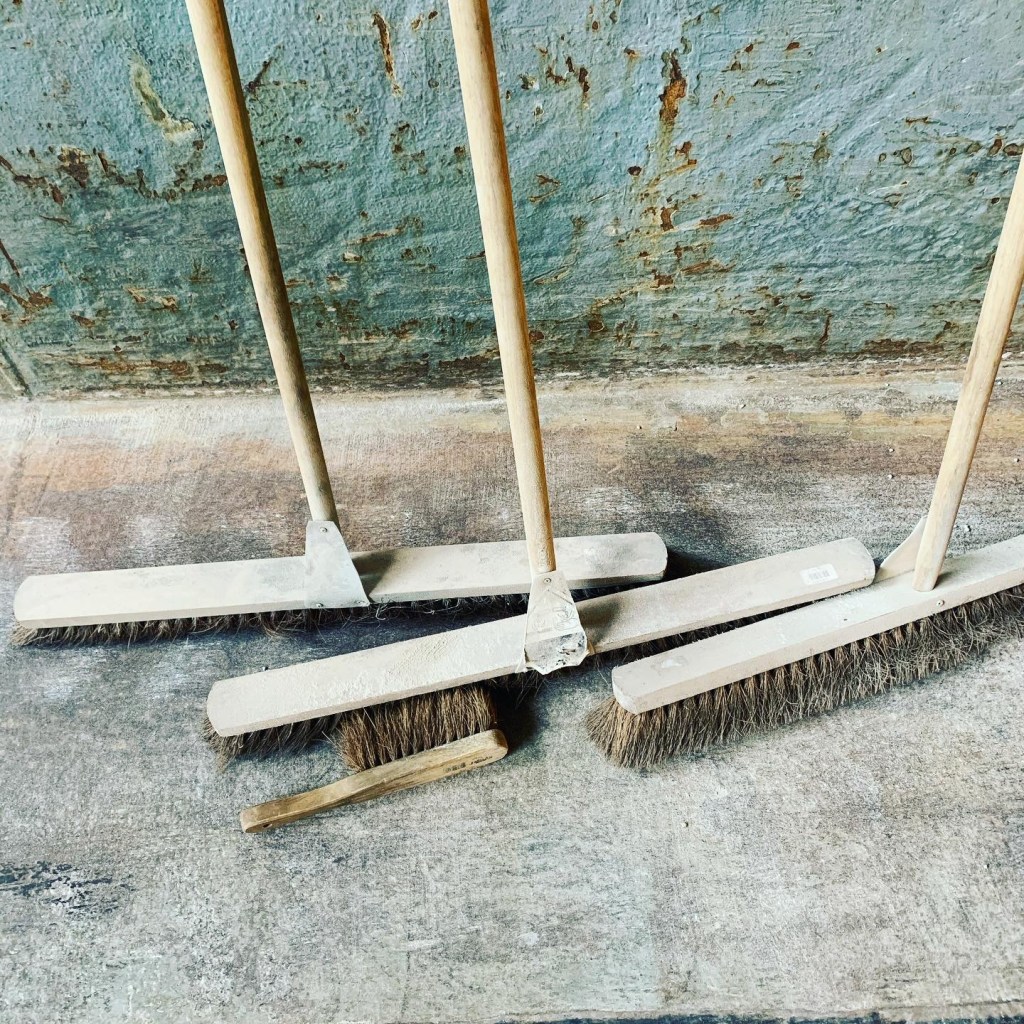
To make the ship ready for departure after completion there are still a few steps to do. Usually, the ship would already be in ballast as the water ballast tanks are filled while the cargo is being discharged. By the end, the crane driver hoists a bobcat in the hold to grab all the little piles of remaining cargo and push them to make a bigger one. Easier for the crane driver and the big unhandy grab he as (although crane drivers are usually good! This time he knocked one of our hatches on the top side which made a scratch. I was sad for the freshly painted hatch, but there was no big deal). A couple of men from the team shore go down to the hold with brooms and they sweep the rest of the cargo towards the big pile. In Brugge the sweepers did an excellent job; probably used to the river ships where it needs to be done perfectly. Here it wasn’t as good…. That is where we come in: the AB’s, myself, the trainee, the engineer if he has time and the captain too sometimes, comes in and we sweep the cargo to have a hold as clean as possible before we wash it. The cleaner the easier the wash will be. Obviously. Then it all depends on the cargo: if it is corn, fertilizer, grain…. They do not react to water in the same way. Fertilizer dissolves in the water so the hold will be very clean after it has been washed. When it is corn, we have to pick up all the little grains we see. But for that, we have different type of brooms 🧹 too: harder brush and thinner brush for the smaller dust. Cargos are not allowed to be mixed and in the next harbours hold surveyors come to inspect it.

The last fertilizer cargo
Brooms, brooms and brooms

Usually, once the bobcat is out, then discharge is completed. Then most of the times we have to be fast as we rarely remain alongside in those cases: hatches closed, speed locks secured, gangway back onboard, hatch crane in parking position and secured and all lines cast off. The order varies depending on the weather and if we have a channel or river underway. It doesn’t take long to secure the equipment, it can also be done accordingly, underway.

The bobcat in the hold

This time, eventually after completion, we sailed out of Kolding Friday evening, on ballast, direction Kaliningrad Russia 🇷🇺 with fair winds in our favour. The hold was perfectly swept and the hold would be washed the next morning underway.

Ruyter moored in Kolding, Denmark

My second time in Russia. One year later when I was still new to all of this. I have such good memories! ✌🏻

See you next week! Xxx Sophie 😘 ♥️

Ps: did I tell you that cookie is growing vegetables in the galley?! 🌱